011 339 2312
 info@nbcei.co.za

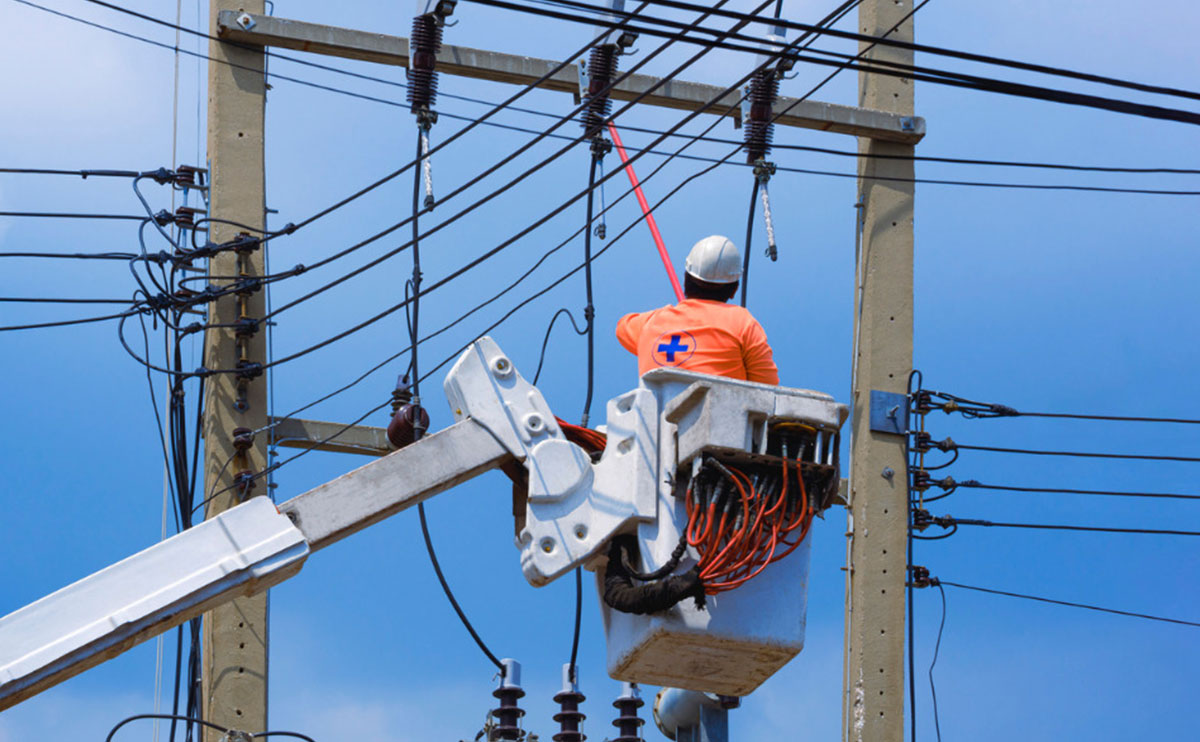
Every year, thousands of electrical workers in South Africa expect a wage increase under NBCEI, yet many are unsure how these increases actually work — or whether they are even receiving the correct adjustment.
For 2026, NBCEI wage increases once again play a major role in protecting workers from rising living costs. This article explains how NBCEI wage increases work, when they apply, who benefits, and what to do if your salary has not been adjusted correctly.
Why NBCEI Wage Increases Matter
The National Bargaining Council for the Electrical Industry (NBCEI) reviews wage structures to ensure that electrical workers are not left behind as costs increase across the economy.
NBCEI wage increases are important because they:
-Help workers keep up with inflation
-Standardise pay across the industry
-Reduce exploitation and wage disputes
-Provide certainty for both employers and employees
-Without these adjustments, many workers would remain stuck on outdated wage levels.
When NBCEI Wage Increases Usually Take Effect
NBCEI wage increases are not random. In most cases:
-Wage adjustments are implemented from 1 March
-Increases are negotiated through collective agreements
-Adjustments are influenced by inflation-related benchmarks
-This means that if you were earning a certain wage before March, your payslip should reflect an increase from March onwards, unless your employer is paying above the minimum.
How NBCEI Wage Increases Are Calculated
NBCEI does not apply one flat increase to everyone. Wage adjustments depend on:
-Your region
-Your area and tier
-Your job grade or task category
-Some increases are applied as:
-A percentage increase on the existing wage
-A new minimum wage rate replacing the old one
This is why two workers doing similar jobs may receive different increases if they fall under different
schedules.
Who Benefits From NBCEI Wage Increases in 2026
NBCEI wage increases generally affect:
-Electricians and artisans
-Electrical assistants and technicians
-Apprentices and learners
-Workers previously earning close to minimum wage
Employees already earning well above NBCEI minimums may not see a visible increase, as their employer is already compliant.
Common Reasons Workers Miss Their Wage Increase
Many workers do not receive their correct increase due to:
-Employers using old wage schedules
-Incorrect job grading
-Misclassification of region or tier
-Payroll errors or misunderstandings
In some cases, workers are told an increase does not apply to them — when it actually does.
How to Check If Your NBCEI Wage Increase Was Applied
To confirm whether you received the correct increase:
-Compare your February payslip with your March payslip
-Identify any change in hourly or weekly rate
-Check the latest NBCEI wage schedule for your region
Confirm your job grade matches the schedule
If your wage stayed the same and you earn close to the minimum, this could indicate a problem.
What to Do If Your Wage Was Not Increased
If you believe your NBCEI wage increase was not applied:
-Raise the issue with your employer or payroll department
-Request written clarification of your job grade and region
-Keep copies of payslips and contracts
If the issue is not resolved, workers may open a dispute through NBCEI. Employees are legally protected when enforcing their labour rights.
Frequently Asked Questions
Only workers earning at or near NBCEI minimum rates are guaranteed increases.
No. Increases must be applied according to the effective date in the agreement.
Financial difficulty does not remove the obligation to comply.
Yes. Apprentice wages are adjusted according to their training phase and applicable schedules.
Conclusion
NBCEI wage increases for 2026 are designed to protect electrical workers and maintain fairness across the industry.
Understanding when increases apply, how they are calculated, and who qualifies allows workers to verify their pay confidently and take action if something does not look right. Staying informed is the strongest protection against underpayment.